
The Influence of Colors on Emotions and Behavior
Color psychology plays a crucial role in casino design, influencing players’ emotions and behaviors even before they sit at a gaming table. For instance, warm colors such as red and yellow are often used to create an atmosphere of excitement and energy, while those interested in strategies may also consider nrl premiership betting to enhance their experience. These hues can stimulate feelings of enthusiasm, encouraging players to engage more actively in gaming. The strategic use of color schemes in different areas of the casino can heighten the overall experience, making visitors feel more compelled to participate.
Similarly, cooler colors like blue or green are employed to instill a sense of calmness. By integrating these tones into lounge areas or restaurants, designers aim to balance the high-energy gaming zones. The psychological impact of these colors is deeply rooted; they can influence how long a person stays in a casino and how much money they are willing to spend. For instance, a casino adorned with rich reds might encourage quicker betting, while softer blues may promote relaxation and longer stays at no-cost entertainment locations, such as bars or viewing areas.
The interplay of colors doesn’t just affect individual areas but can also resonate throughout the entire casino environment, creating a cohesive emotional journey for visitors. A carefully curated color palette can guide the flow of movement within the space, directing guests toward key attractions and gaming floors, while also subtly reinforcing the casino’s brand identity. Hence, understanding the nuances of color psychology allows casino designers to craft environments that maximize both player satisfaction and revenue.
Layout and Flow: Creating a Strategic Experience
The layout of a casino is meticulously planned to ensure a strategic flow that encourages exploration and extended visits. Designers focus on creating an almost maze-like environment that invites guests to wander through various gaming areas, restaurants, and entertainment zones. This layout not only piques the curiosity of visitors but also makes it challenging for them to leave, as every corner turned reveals new opportunities for engagement and entertainment.
Incorporating high-traffic areas, such as entrances and prominent features like large gaming tables, helps draw guests deeper into the casino. This strategic placement keeps the excitement palpable and creates an atmosphere where visitors feel compelled to continue exploring. The goal is to make gaming spaces visible and accessible while also intertwining elements that lead guests toward dining and entertainment options, further enhancing their overall experience and perceived value of their stay.
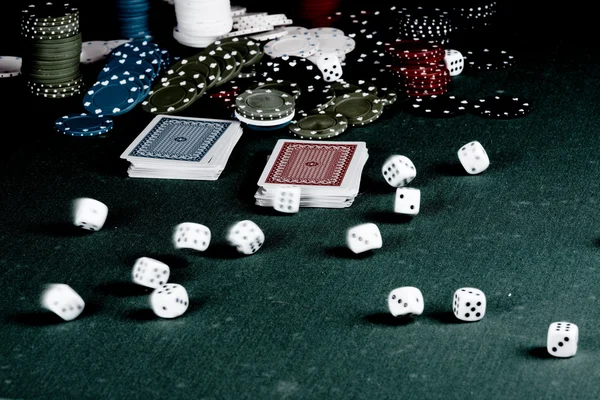
Furthermore, the positioning of restrooms, ATMs, and exits is also done with psychological considerations in mind. For example, placing ATMs near popular gaming areas can encourage players to withdraw cash impulsively, driving up spending. When designed effectively, the layout facilitates a seamless experience that transforms a casual visit into an immersive adventure, ultimately affecting how much time—and money—players invest in their experience.
The Role of Sound in Enhancing Engagement
Sound is another vital aspect of casino design that significantly influences player behavior. The use of ambient noise, such as the clinking of coins, the sounds of spinning reels, or the cheers from table games, creates an energetic atmosphere that can encourage excitement and engagement. These sounds not only enhance the gaming experience but also serve as psychological cues that prompt players to participate more actively. The continuous, pleasant noise often keeps players in a state of heightened awareness, making them more prone to gamble.
Moreover, casinos strategically use music to match the tempo of the gaming environment. Fast-paced music can elevate excitement and create an adrenaline-pumping ambiance, particularly in high-stakes gaming areas. Conversely, softer, slower melodies can be found in lounges and dining areas, allowing players to relax and socialize after intense gaming sessions. This careful attention to sound helps ensure that players remain emotionally connected to their experience, encouraging both engagement and longer stay durations.
The manipulation of sound can also lead to the phenomenon known as “earworms,” where catchy tunes repetitively played can linger in a visitor’s mind. This can foster a subconscious association with the casino, increasing the likelihood of return visits. Overall, sound design is an essential tool in crafting an immersive casino environment that enhances player engagement and satisfaction, motivating a connection to the location beyond a single visit.
Lighting Techniques: Setting the Perfect Mood
Lighting is a pivotal element in casino design that can profoundly affect mood and behavior. Different lighting techniques can create specific atmospheres that draw players in or induce particular feelings. For instance, dim lighting combined with bright focused lights on gaming tables can create an air of intimacy and exclusivity, enticing players to engage with high-stakes games. This contrast encourages players to feel as if they are stepping into a unique world, one that stands apart from the regular hustle and bustle of everyday life.
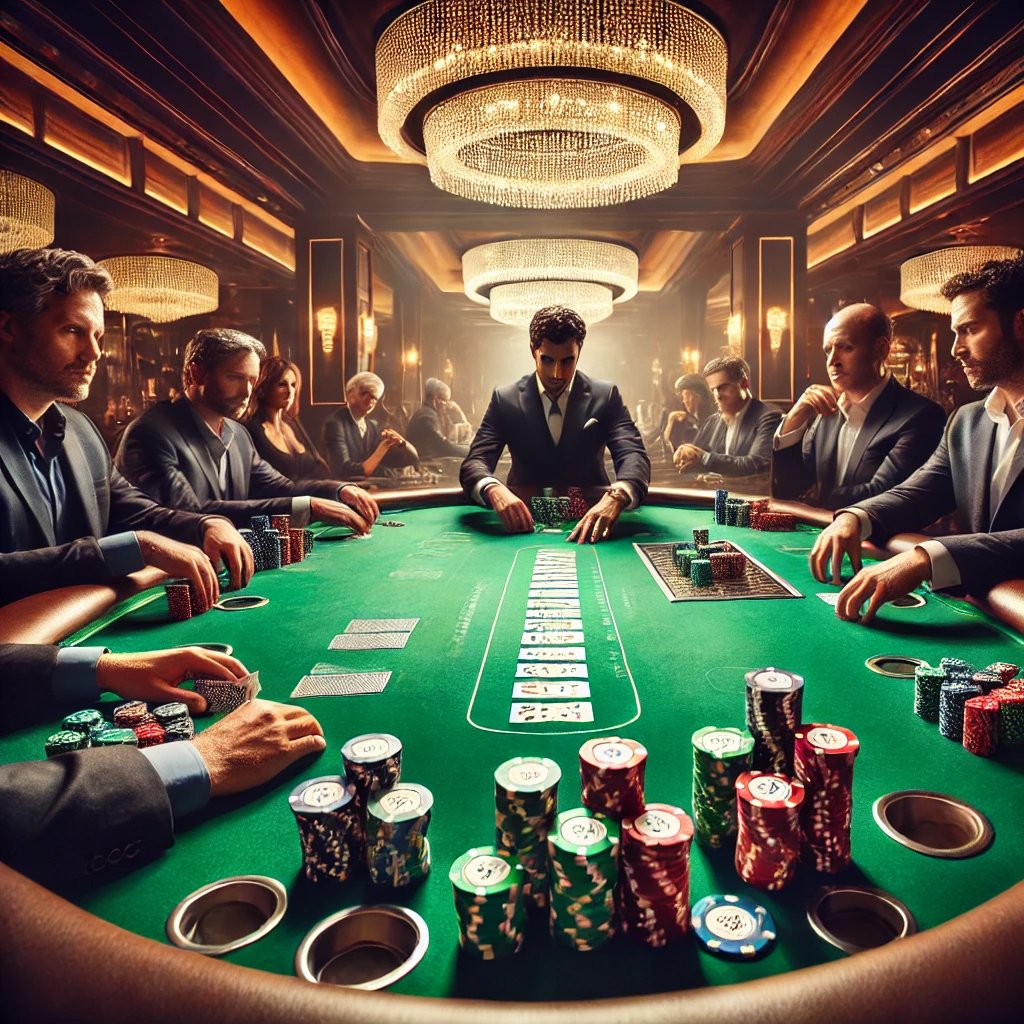
Moreover, the use of LED technology and dynamic lighting changes can further enhance the gaming experience. Lighting that shifts with time or activity creates excitement and keeps the environment feeling fresh and engaging. For example, pulsating lights on slot machines can mimic the thrill of a win, nudging players to keep feeding coins into the machine. This carefully calibrated lighting can also affect the perception of time, making hours feel like mere minutes as players become absorbed in their gaming experience.
In lounge areas, softer ambient lighting encourages conversations and relaxation, offering a visual retreat from the gaming intensity. Designers often use warm, inviting lights to draw guests to these areas, balancing the exhilarating atmosphere of the gaming floor with spaces for rejuvenation. This thoughtful approach to lighting ultimately supports a holistic casino experience, where emotions, interactions, and engagement levels are deliberately cultivated for prolonged enjoyment and satisfaction.
Exploring the Psychological Techniques of Casino Websites
As the digital landscape evolves, understanding the psychology behind casino website design has become increasingly important. Similar to physical casinos, websites employ various psychological tactics to draw users in and keep them engaged. The design and layout of an online casino site are often reminiscent of a real-world casino environment, creating familiarity that can instill trust and encourage users to explore. This sense of connection is essential for guiding players toward making deposits or bets.
The use of visuals, such as enticing graphics and engaging animations, plays a significant role in captivating users and mimicking the thrill of live gaming. Additionally, color schemes and user interface elements are intentionally crafted to facilitate ease of navigation, ensuring a seamless user experience. Well-placed calls to action, bonus promotions, and visual cues can drive users toward making decisions that benefit the casino while making them feel rewarded and valued.
Moreover, creating a responsive site that adapts to various devices is crucial for capturing a wider audience and enhancing accessibility. Whether accessing the site from a desktop or mobile device, ensuring a consistently persuasive design can lead to higher conversion rates. Understanding these psychological components enables online casinos to create environments that resonate with players, motivating them to engage more deeply with the platform over time.